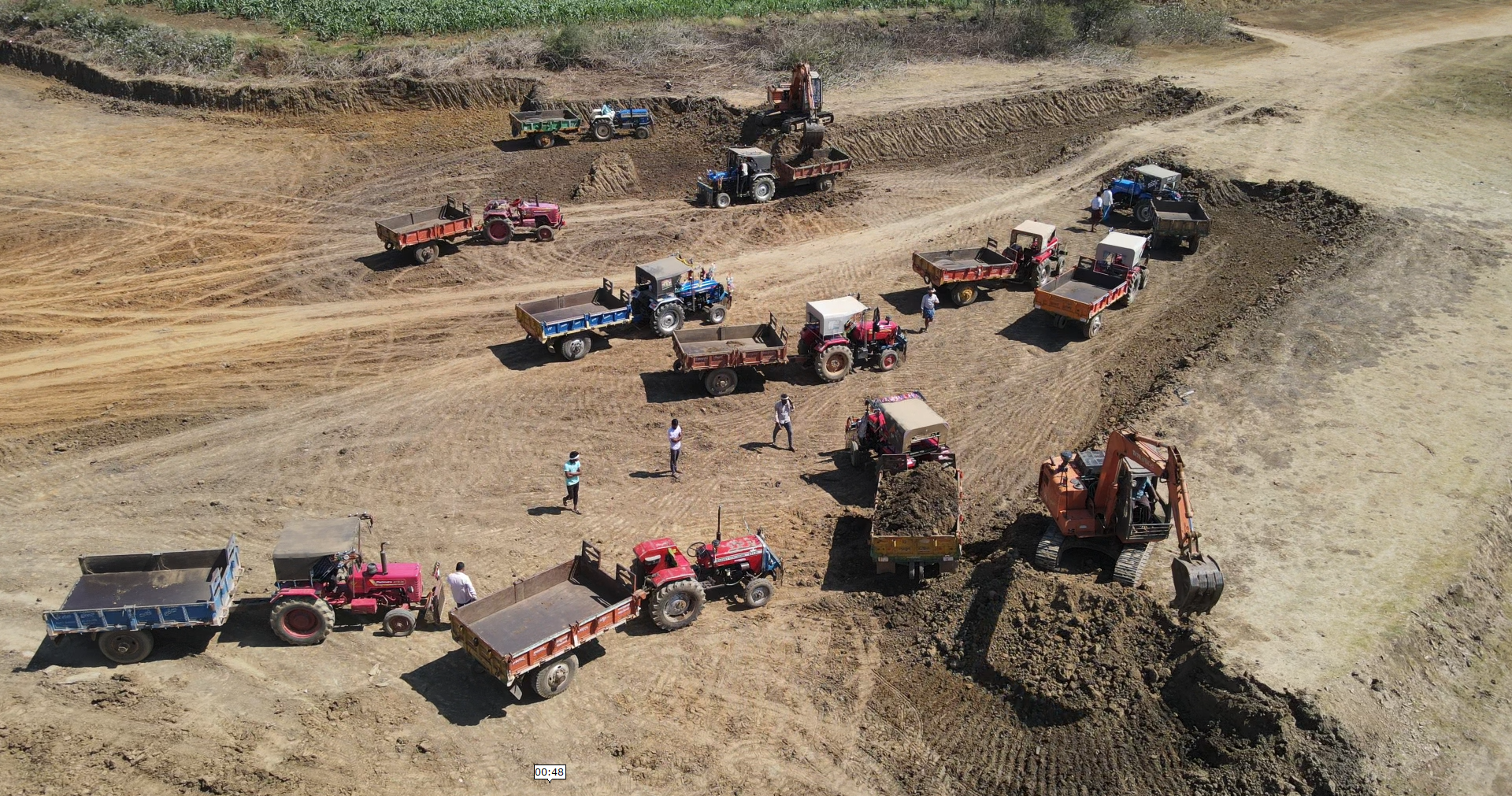
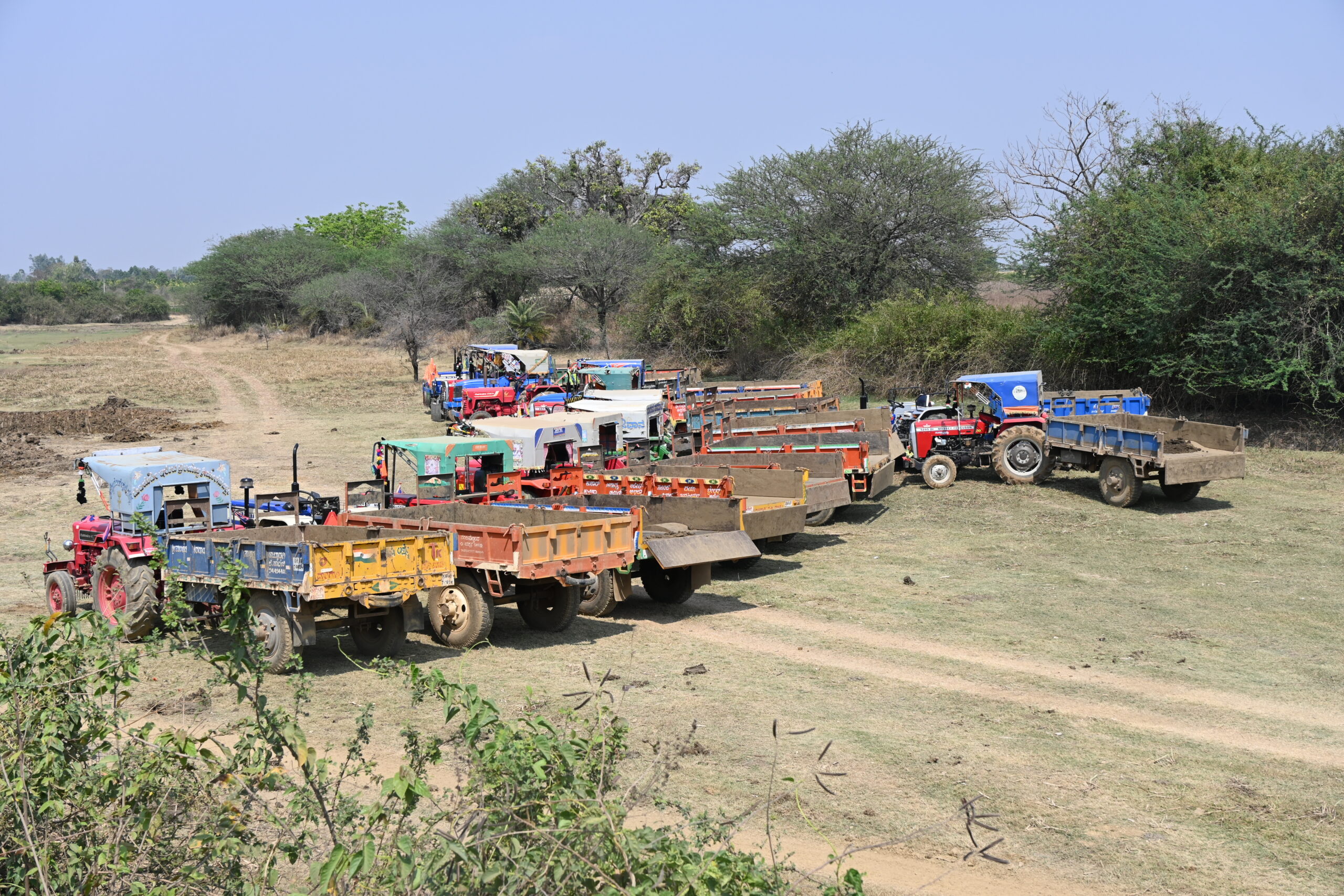
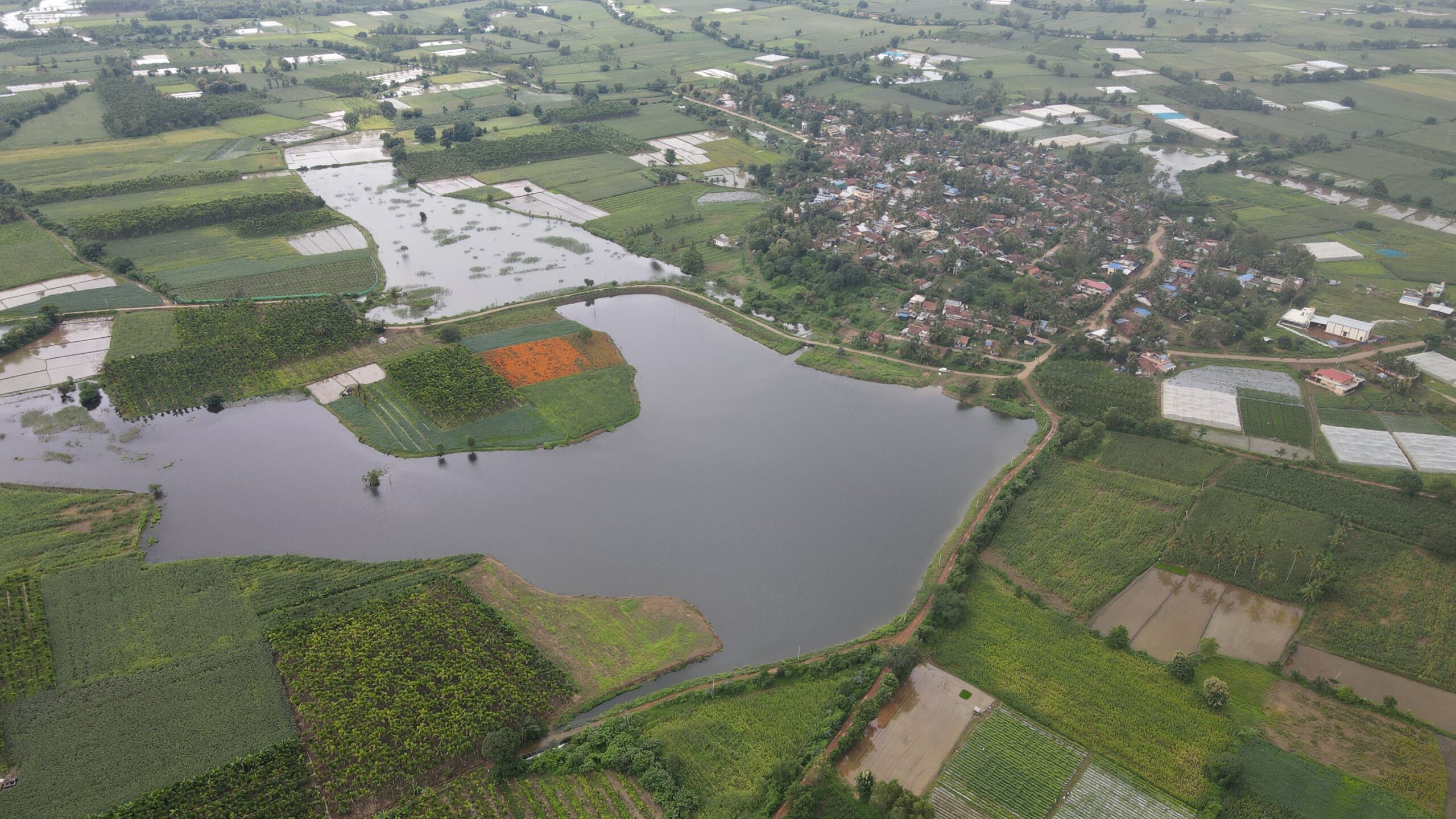
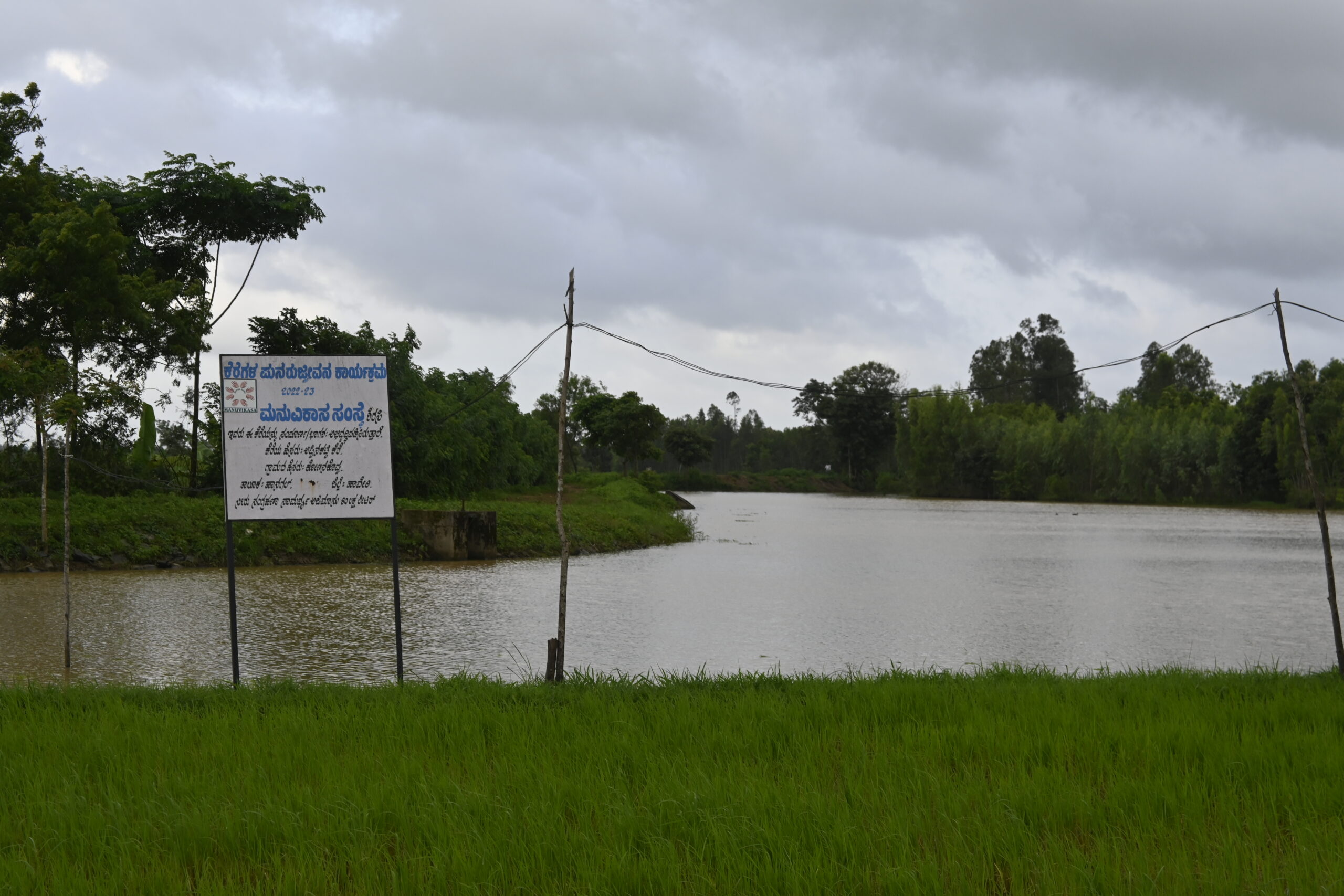
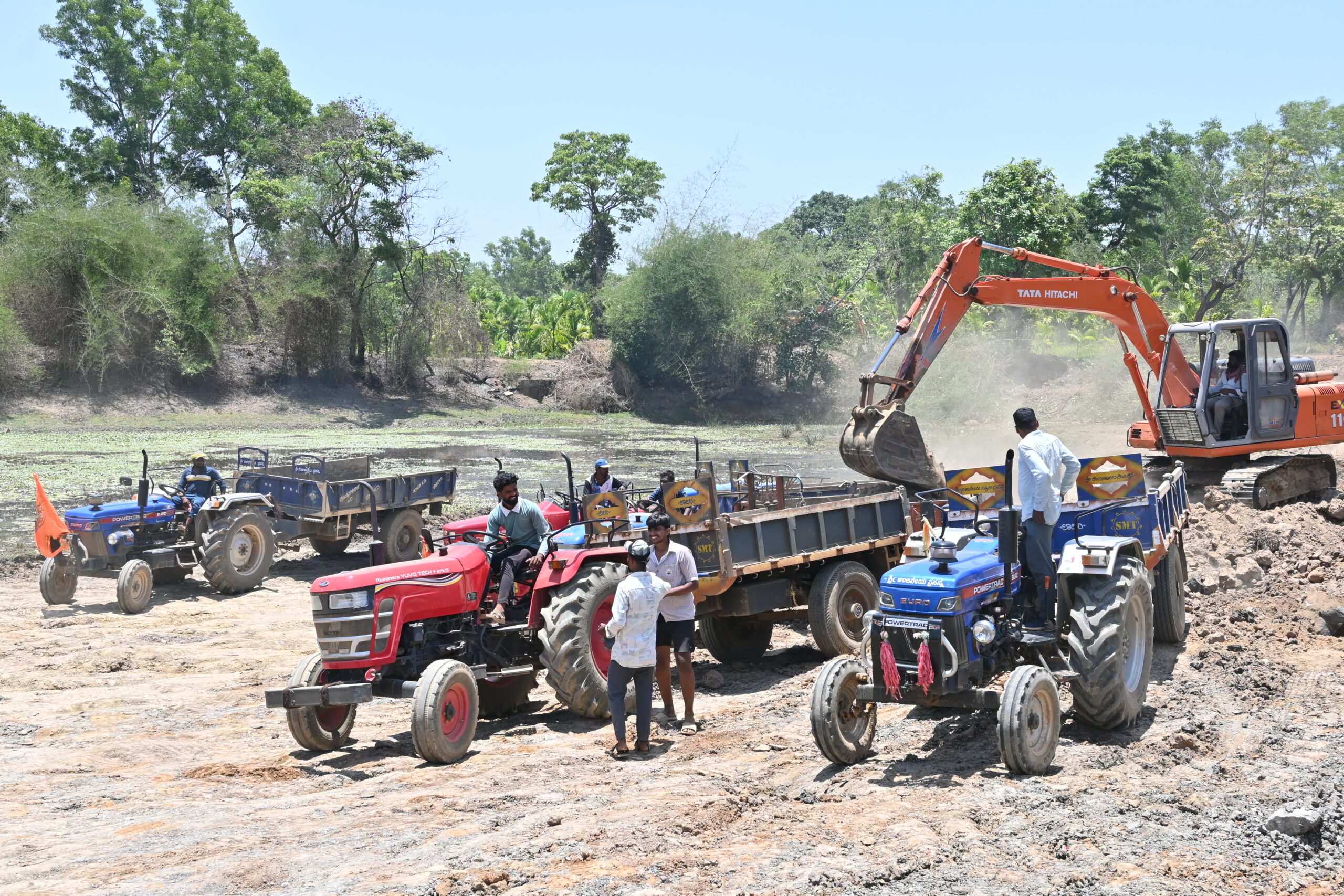
MANUVIKASA works with village communities to identify silted, encroached, or defunct lakes and restore them to full storage capacity. Desilting, bund strengthening, and catchment-area treatment bring these water bodies back to life — recharging groundwater, supporting irrigation, and reviving local biodiversity across the Western Ghats and surrounding plains.
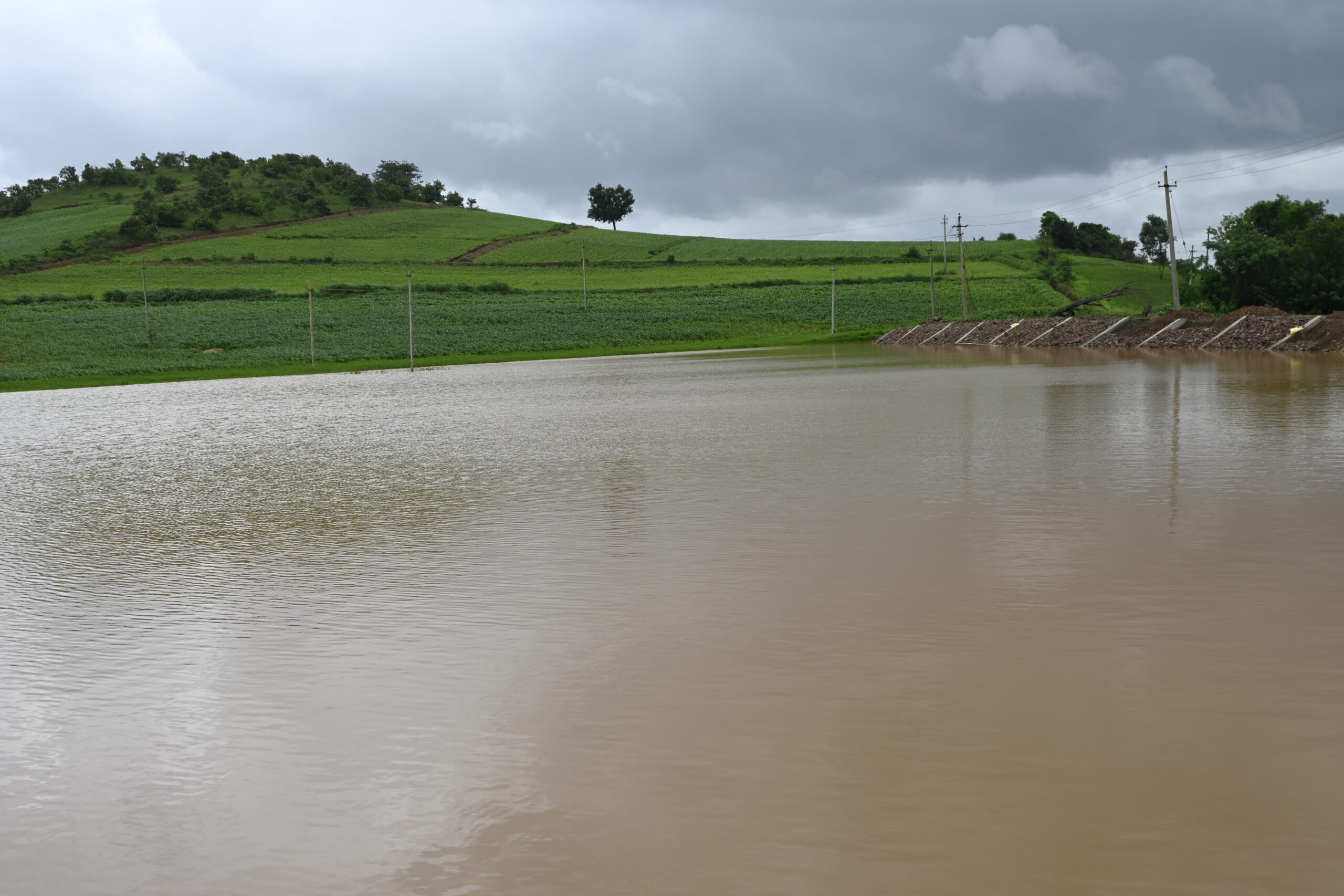
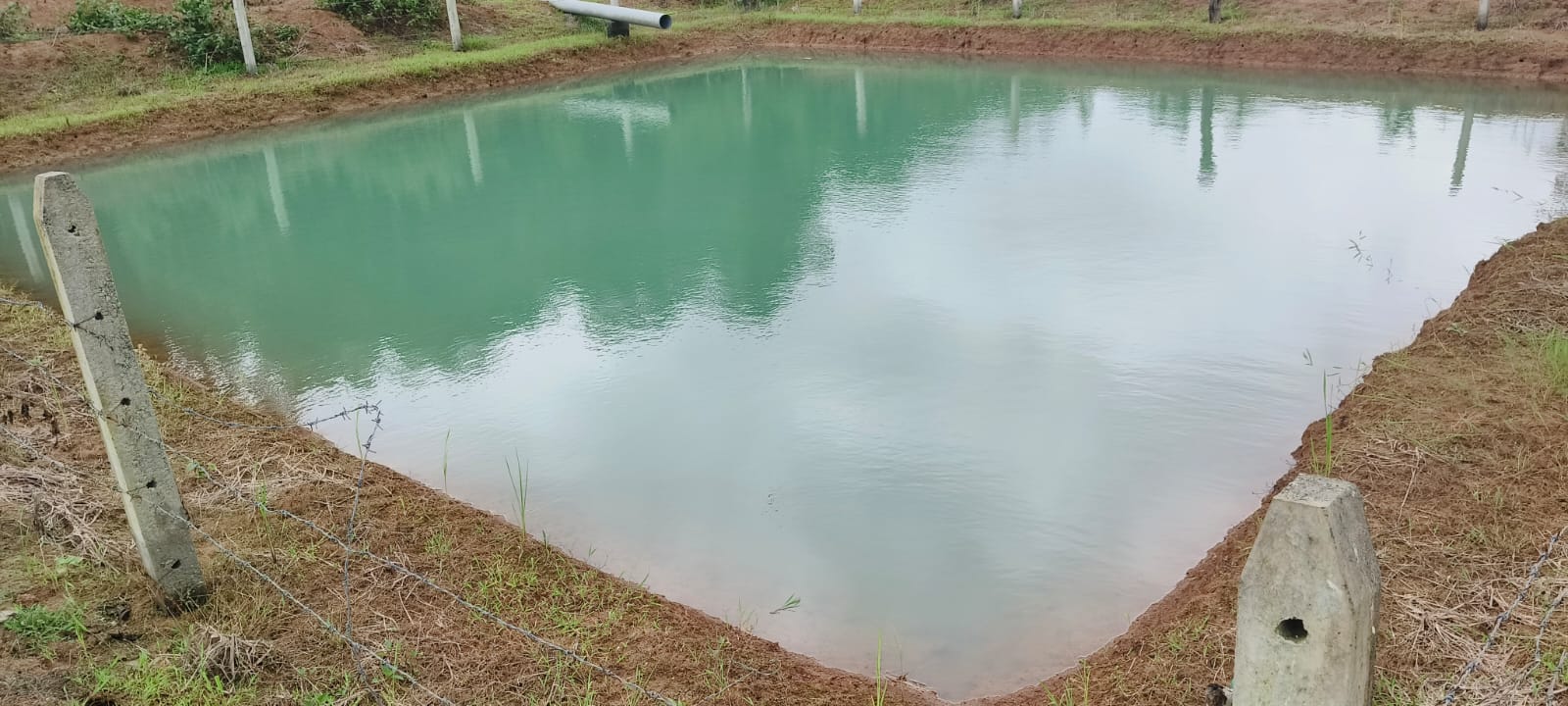
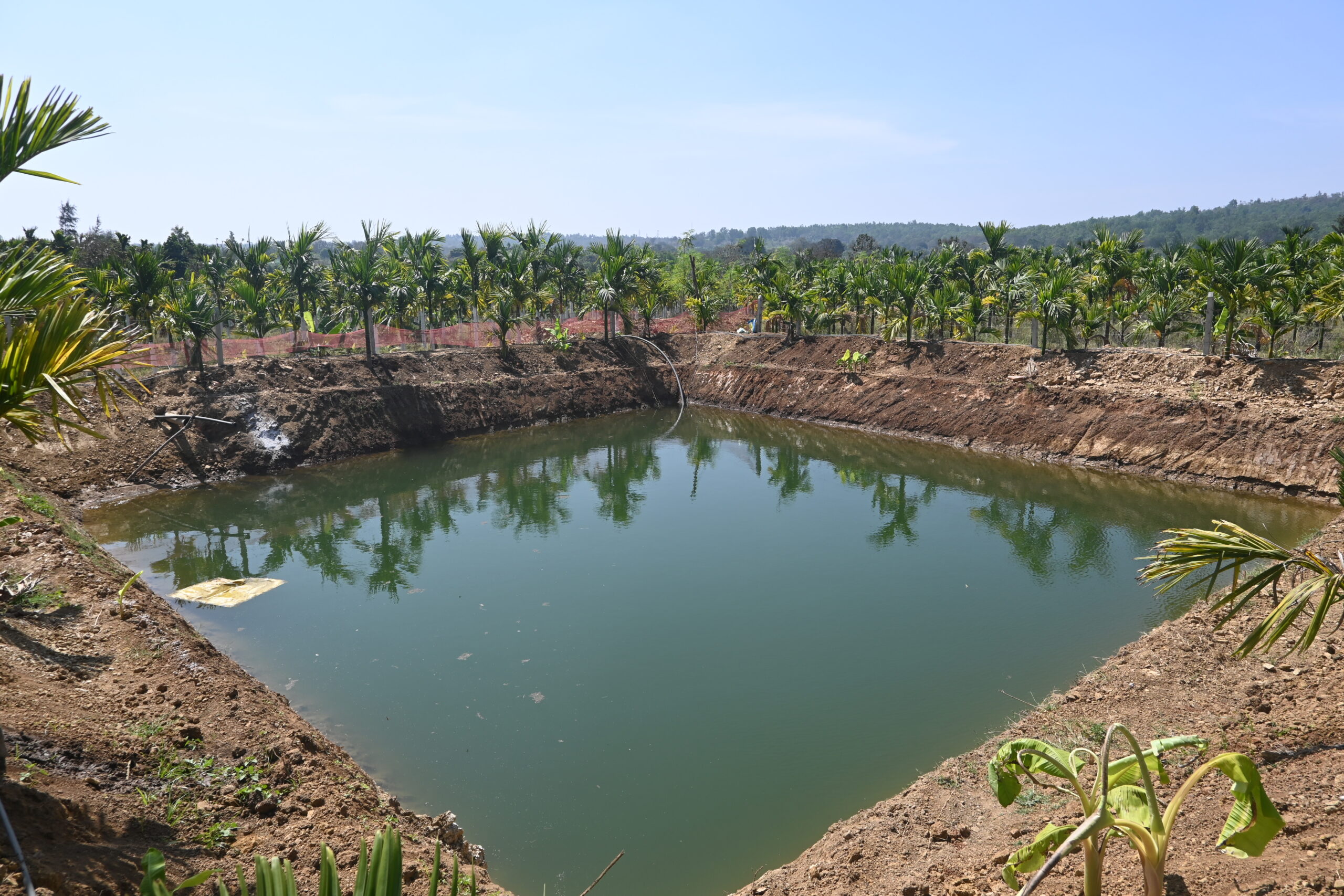
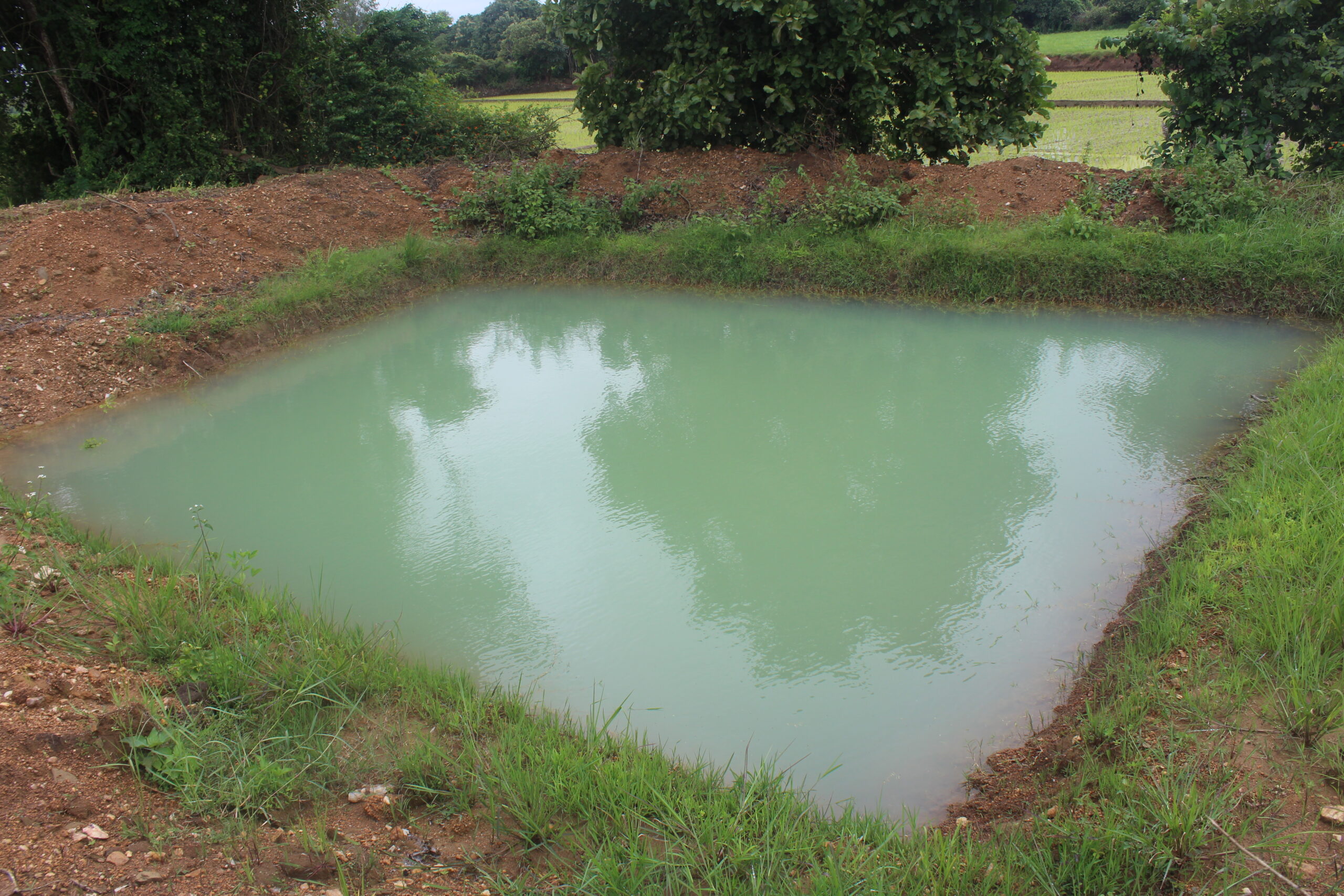
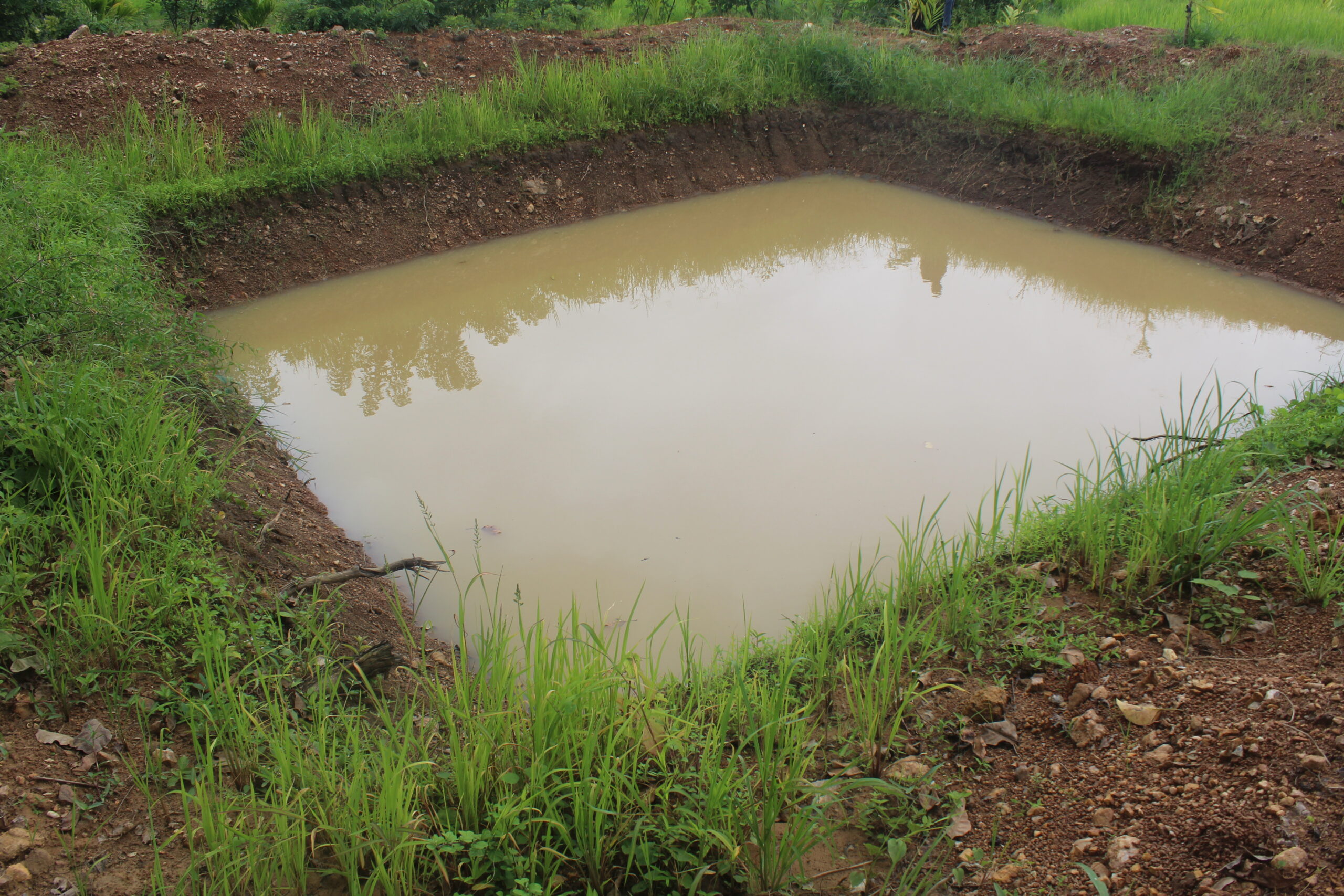
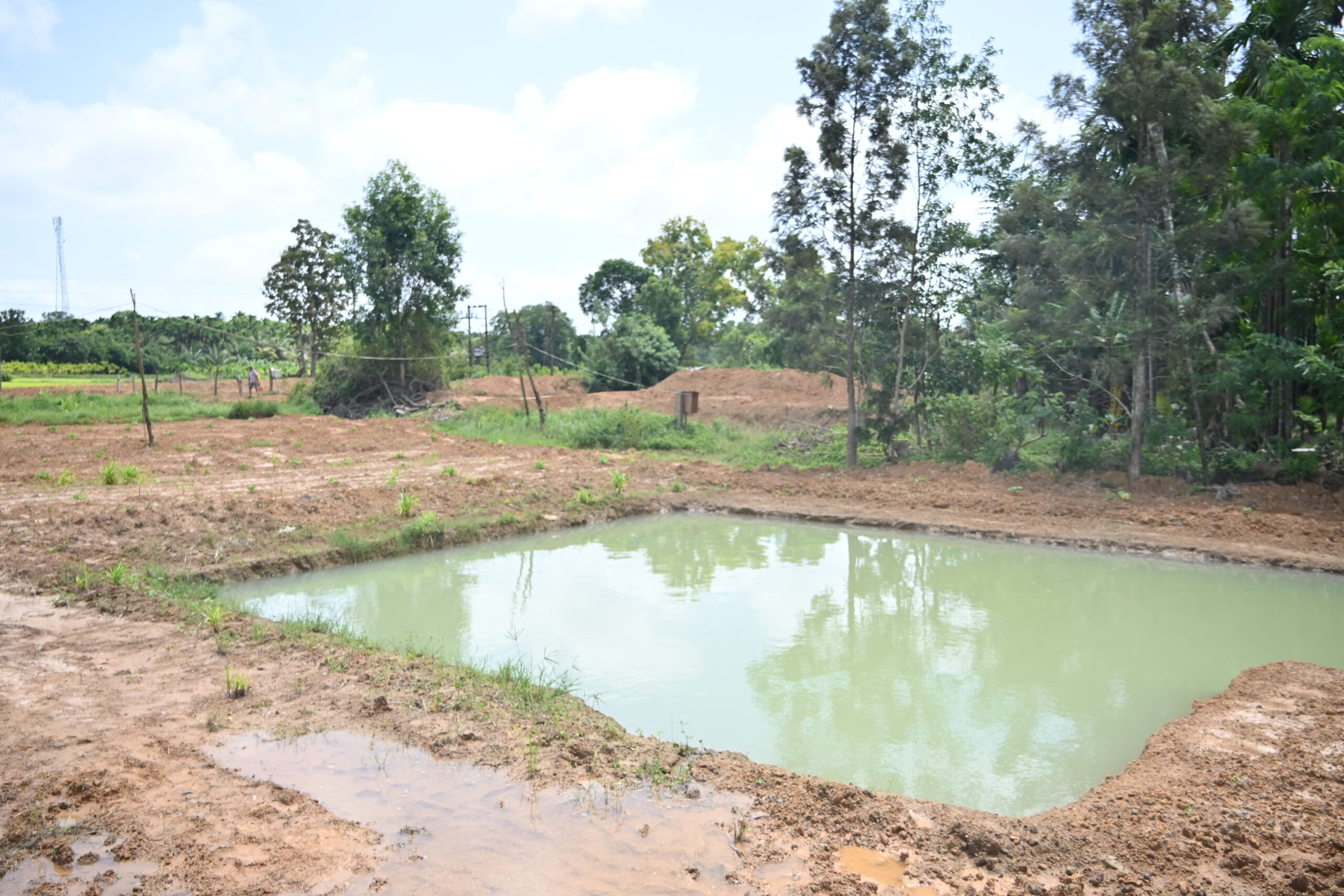
Farm ponds give individual farmers direct control over water security — storing monsoon runoff for use through dry spells, supporting irrigation, and reducing dependence on erratic rainfall. MANUVIKASA works with farming households to site, construct, and maintain ponds sized to their land, alongside percolation tanks and soak pits that let excess water recharge the ground rather than run off.
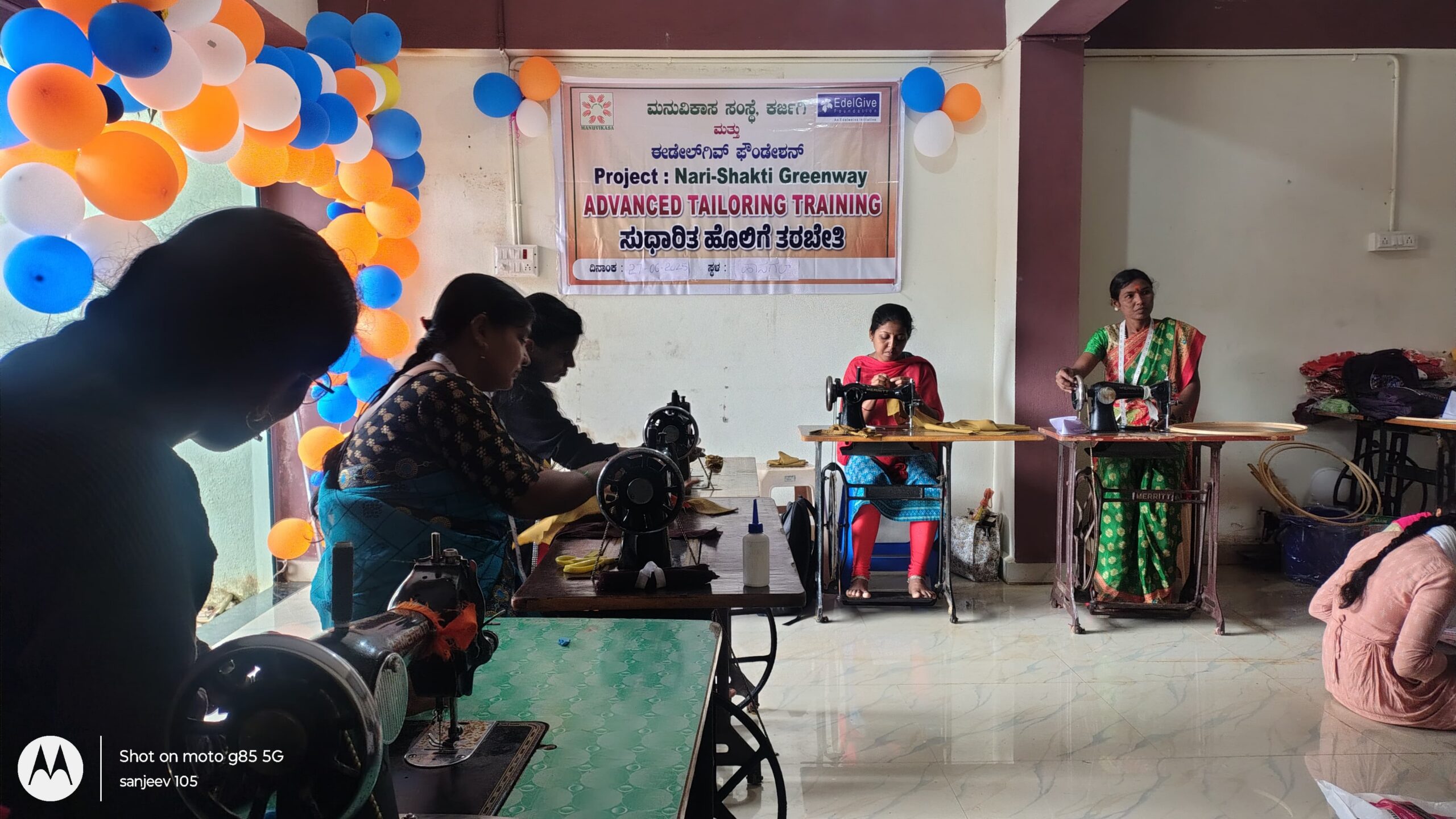
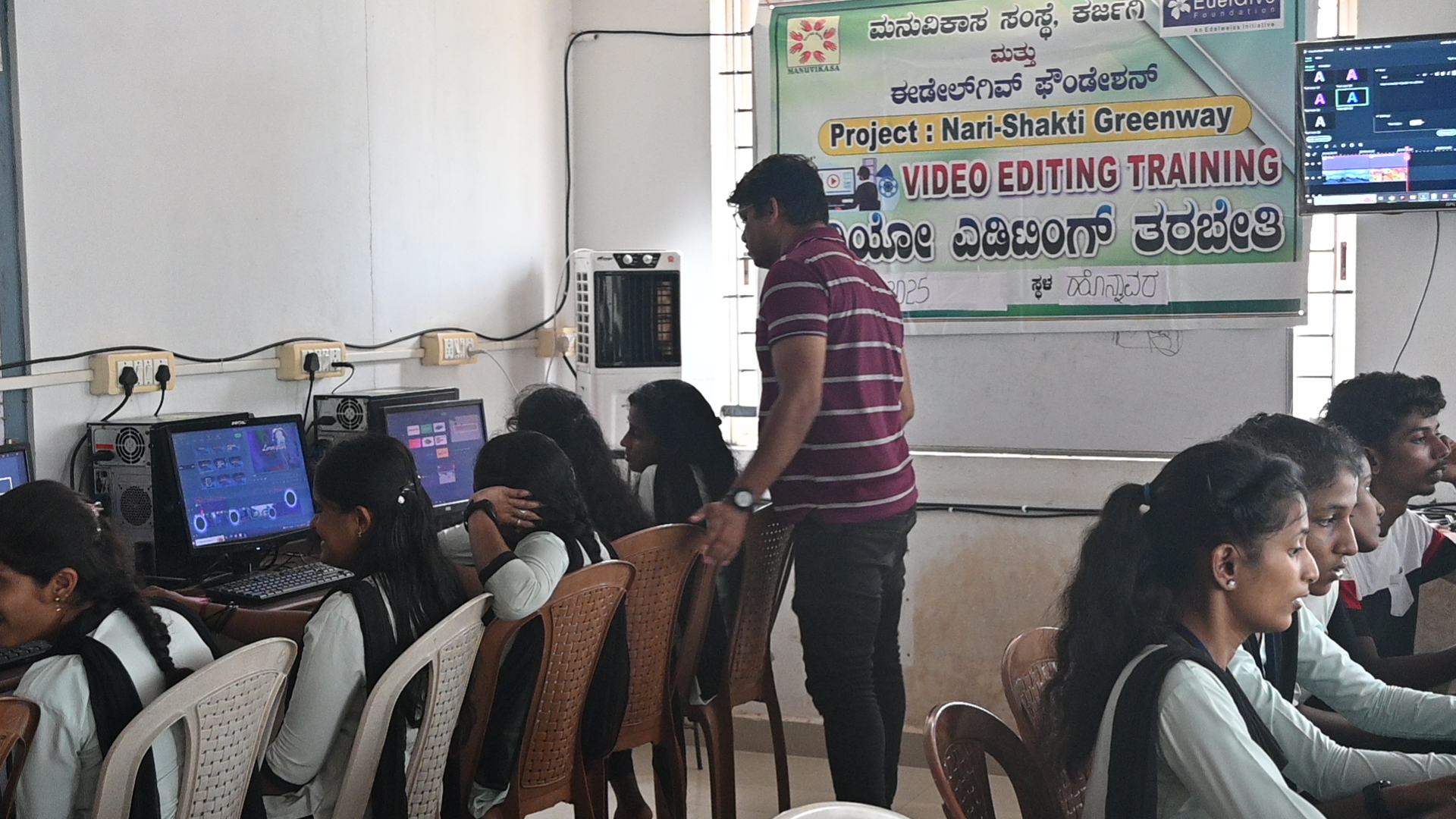
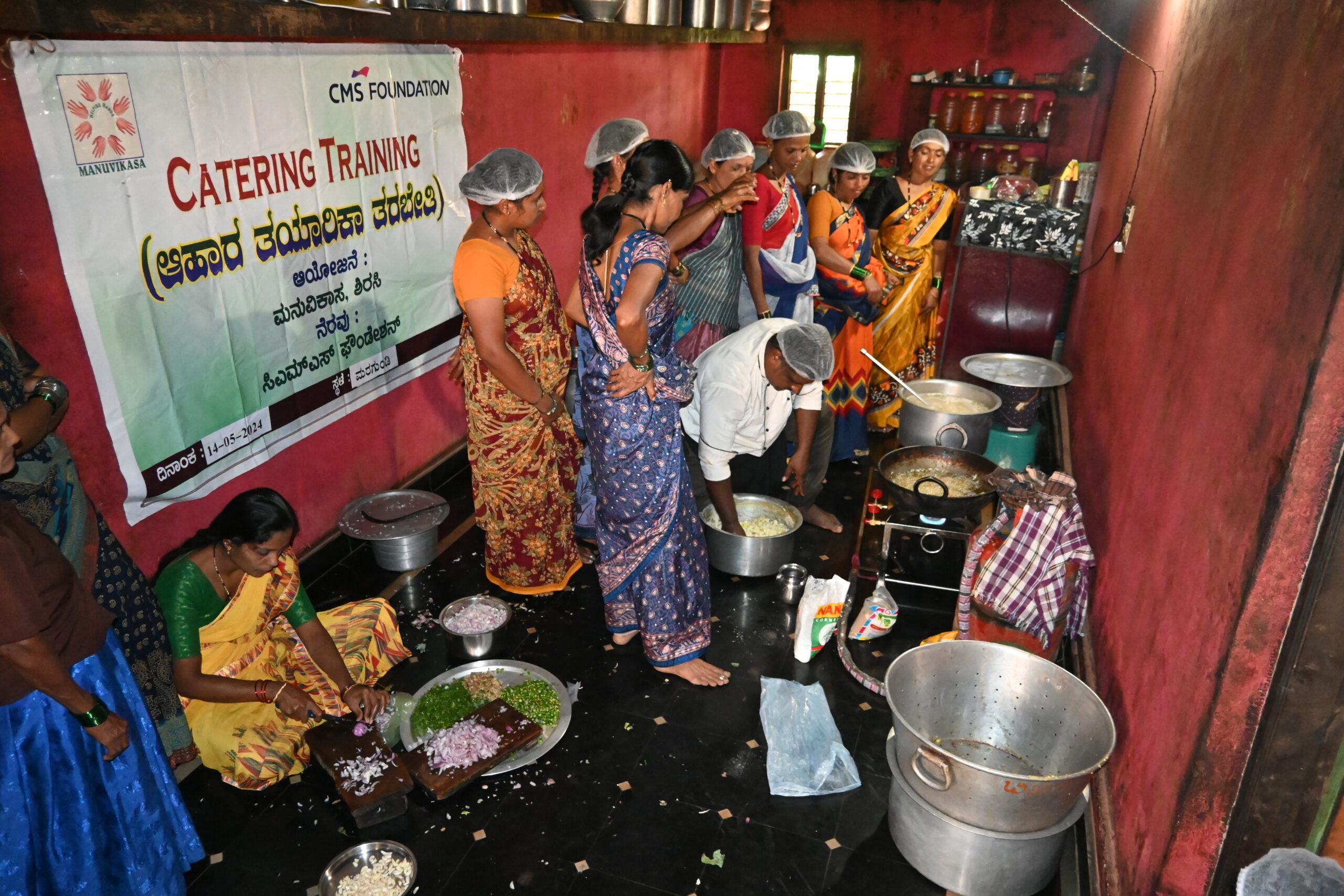
Nari-Shakti Greenway builds rural women's economic independence alongside climate resilience, spanning 24 taluks across Uttara Kannada, Dharwad, and Haveri districts. Continuous Training Centres equip women with employable skills — from fashion design to digital media — while linking them to Self-Help Groups, credit access, and sustainable livelihood options, with a target of reaching over 20,000 women by 2027.
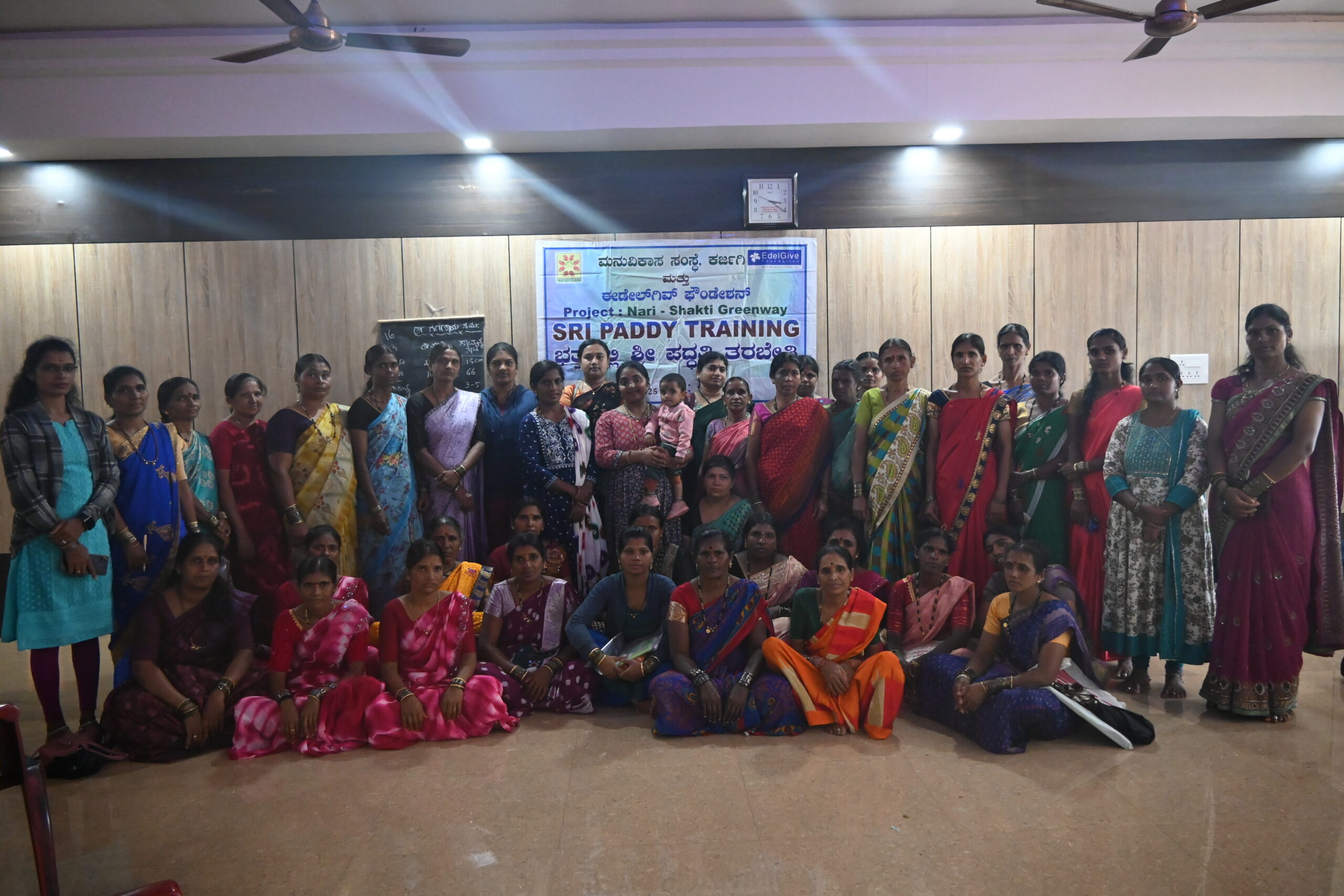
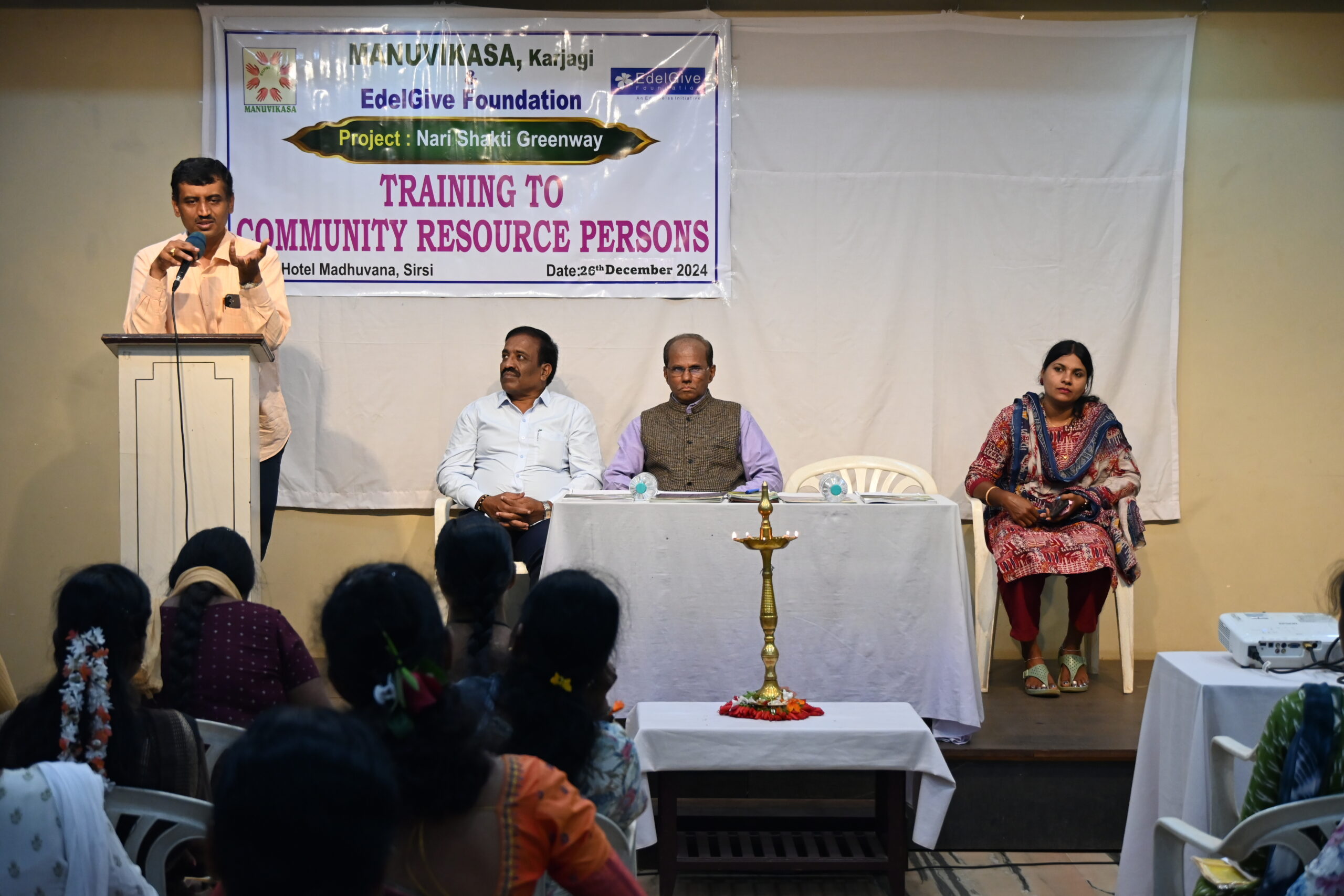
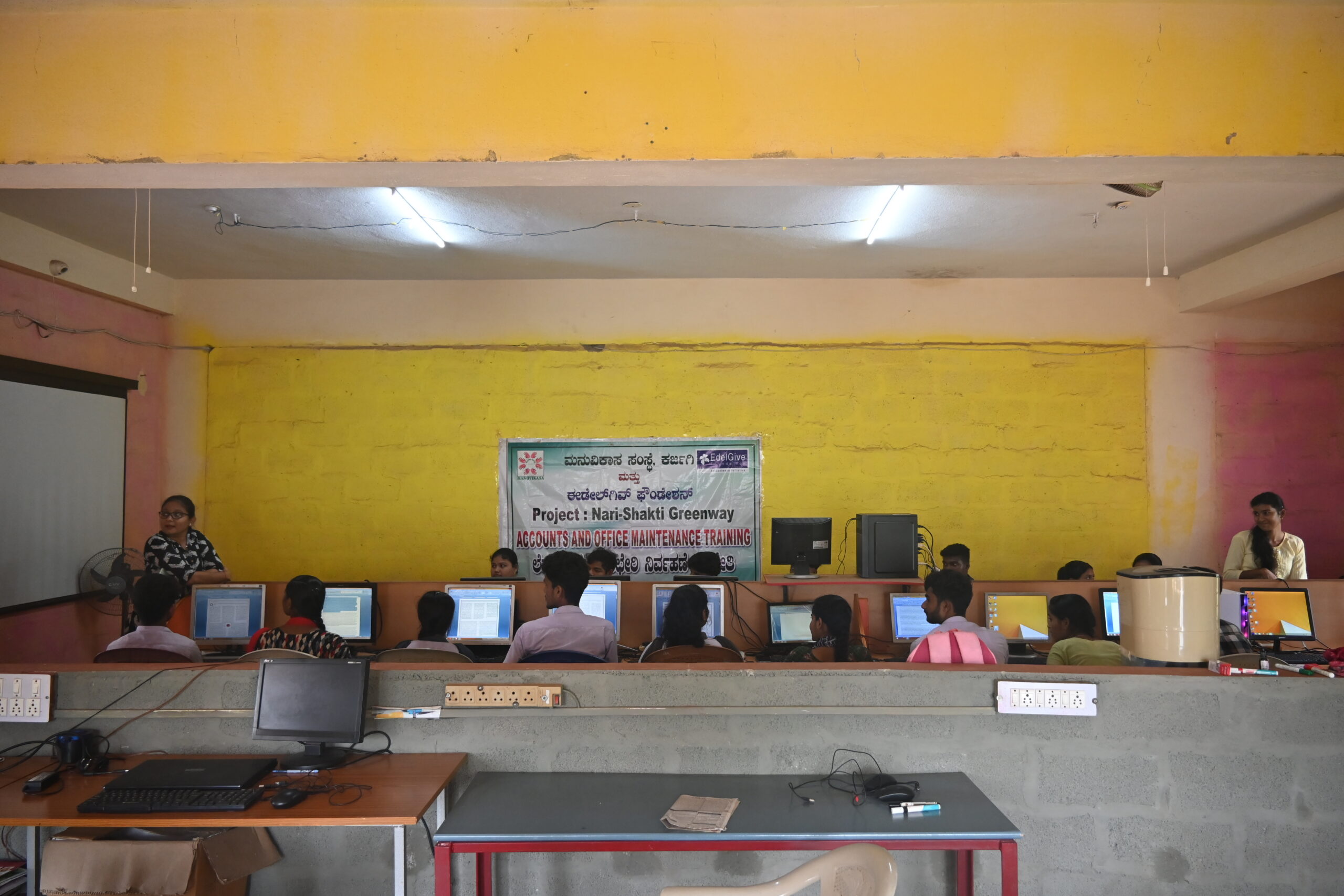
In partnership with CMS Foundation, this project takes a cluster-based approach to rural development across 20 villages in Sirsi Block, Uttara Kannada District — coordinating water conservation, livelihood, and community infrastructure work across neighbouring villages together, rather than village by village, so gains in one location reinforce the next.
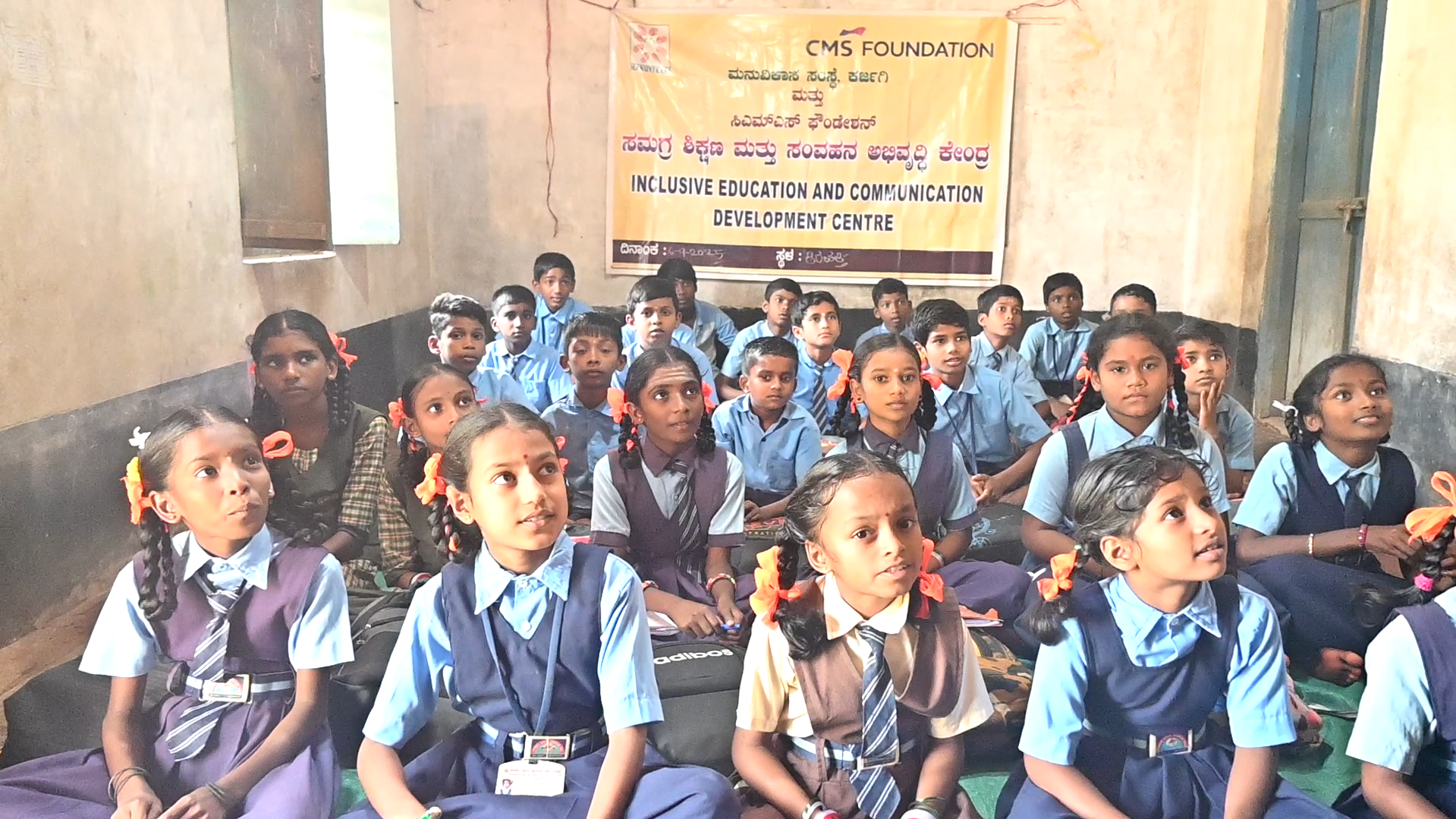
Roof repair, plastering and flooring, water purification and handwashing facilities, a new library, two desktop computers, a smart interactive board with internet, teacher training on digital tools, and refreshed wall paintings and learning aids.
Dry ration kits delivered to over 12,000 families; vaccination facilitated for more than 51,000 people.
Distributed in Kumta, Honnavar, and Ankola (Uttara Kannada) and Udupi and Byndoor (Udupi district) — soap, tarpaulin sheets, buckets, toothpaste, sanitary pads, mosquito nets, and rope.
A joint relief effort across Uttara Kannada and Udupi districts.
Extending flood relief coverage to more affected households.
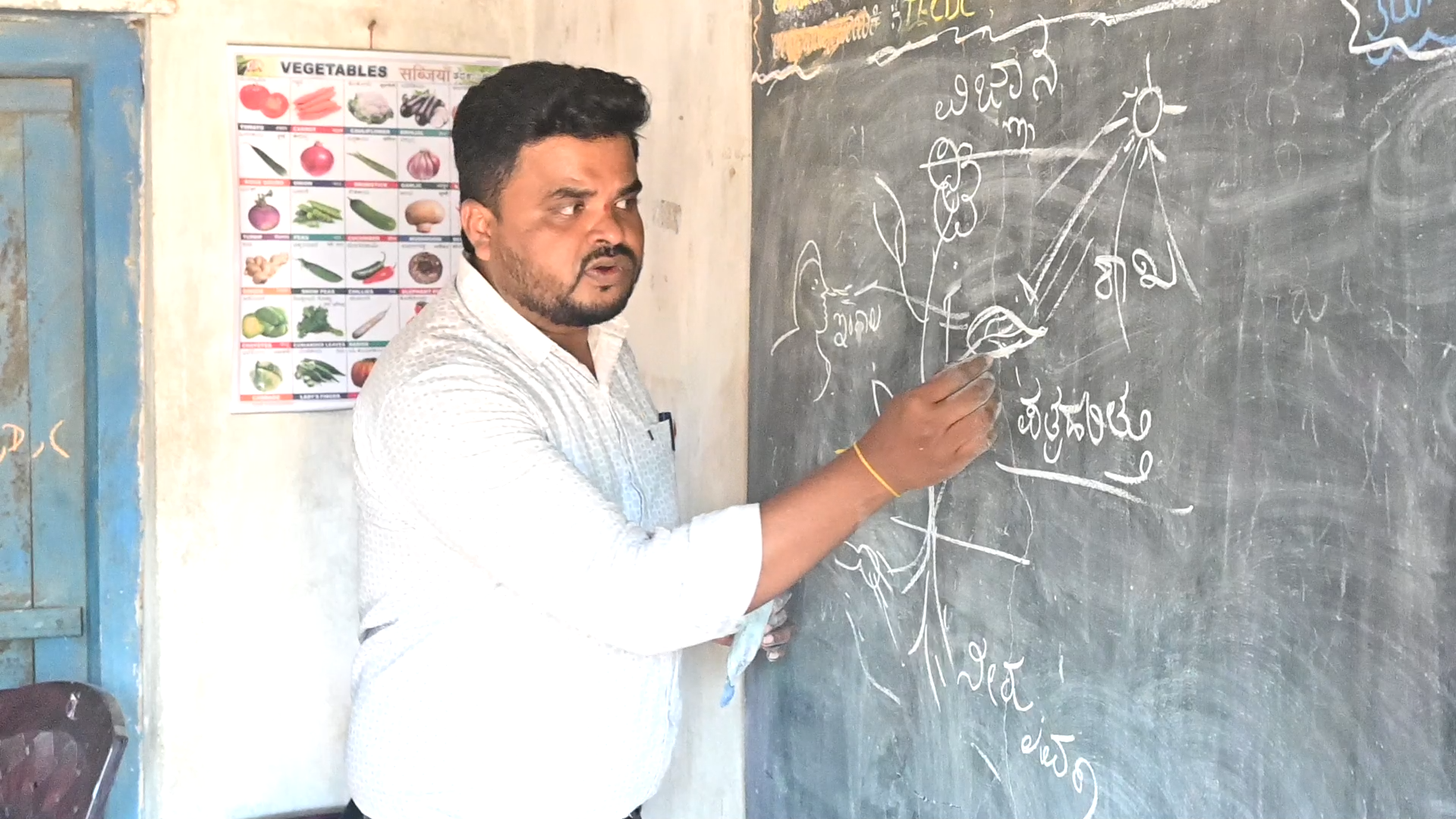
For farming families in Kalaghatagi Taluk, water determines what can be grown, how long a crop survives, and how secure a household's livelihood is. The Jala Krishi Samruddhi Yojane brings together water management, soil conservation, sustainable agriculture, livestock care, nutrition, women's collectives, and access to government programmes across 32 villages — addressing the interconnected challenges farming families actually face, rather than treating each one in isolation.
The project began with a survey of around 12,000 farmers across 32 villages, mapping water availability, landholdings, and livelihood needs. Village-level meetings — at least twice a month, in every village — and newly formed village committees have kept farmers at the centre of decision-making ever since.
Farm ponds, land-levelling, trench-cum-bunding, and borewell recharge works were built to capture rainfall, cut runoff, and recharge groundwater — giving farmers a source of water for dry spells rather than leaving them dependent on rainfall alone.
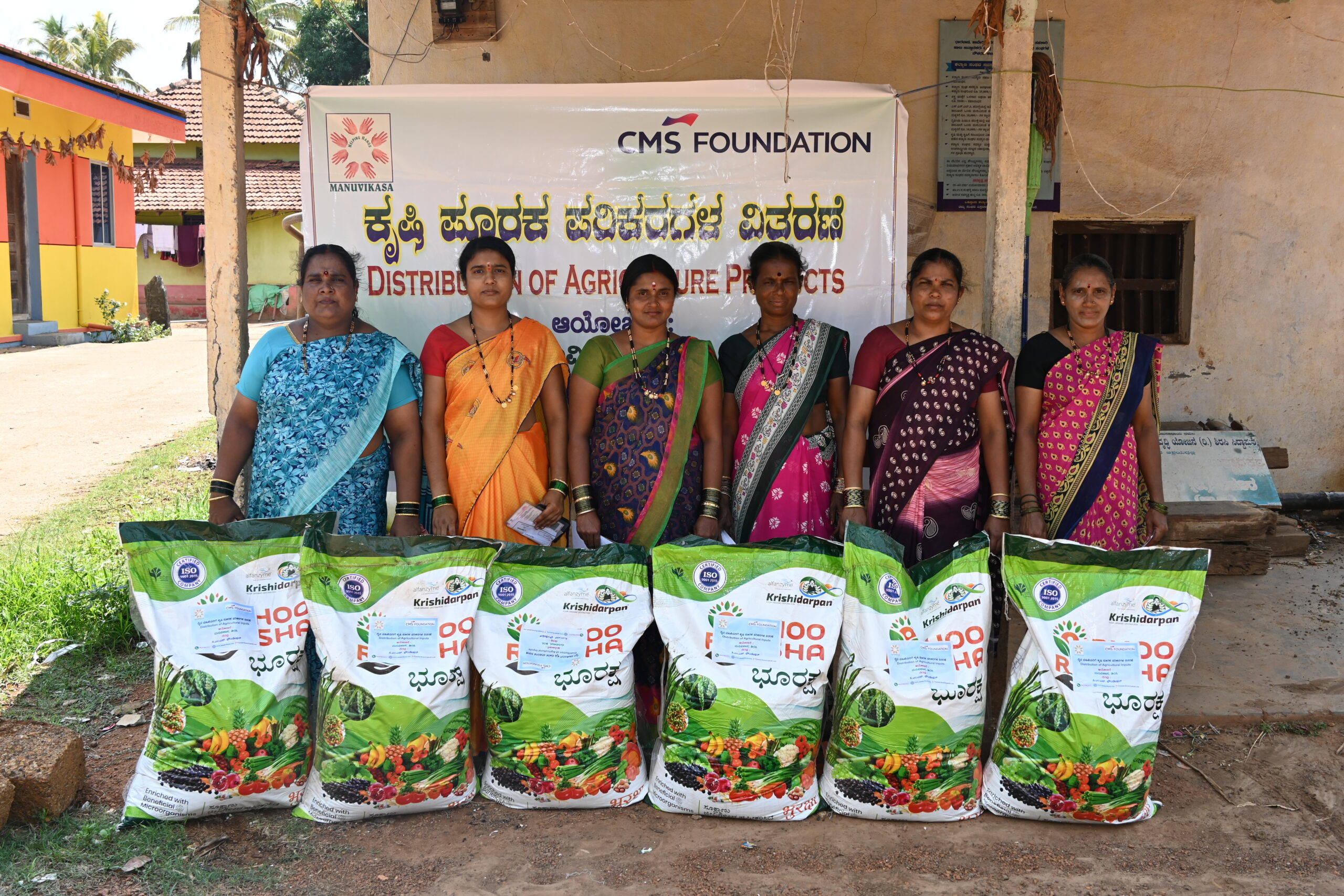
Farmers were trained in improved cultivation, soil health, and crop diversification. 25 were supported to set up model farms with manure, vegetable seeds, fruit saplings, and drip or sprinkler irrigation — working examples neighbouring farmers can observe and adapt to their own land.
Kitchen garden training, seeds, and manure help families grow their own vegetables — improving household nutrition, cutting market spend, and creating a small income where there's surplus to sell locally.
With livestock central to many households' income, animal health camps brought free check-ups, treatment, and medicine directly to farming communities — encouraging timely care rather than losses from neglect.
Self-Help Groups give women a platform for savings and collective action, while the project has helped eligible families access job cards, employment schemes, and other government programmes relevant to their circumstances.
Working with over 1,150 Siddi households across Uttara Kannada, MANUVIKASA builds alternate livelihoods rooted in the forest economy the community already knows well.
Training in horticulture, sustainable agriculture, and beekeeping; honey boxes and pulverisers distributed for non-timber forest product processing; chicks distributed to families; hospitality training for Siddi youths.
Self-Help Group formation, leadership development training, honey bee boxes and chicks, health and hygiene camps, and exposure visits for tribal women.